

Why ‘Ceylon’ Tea?
At Asia Siyaka, we honor the rich legacy of the tea industry, which first took root during the British era. As tea from Ceylon quickly earned its reputation as the finest in the world, it became the economic backbone of the island. Today, Asia Siyaka continues this tradition of excellence, ensuring that the global reputation for quality—once guaranteed by a simple label on a tin—remains steadfast in the modern market.
The Evolution of Ceylon Tea and Asia Siyaka
Independence opened doors to new global markets, and production reached historic heights. In 1965, the island became the world’s largest tea exporter for the first time. As a leading name in the industry, Asia Siyaka recognizes the pivotal moment in 1972 when the country transitioned to the name Sri Lanka. This shift presented a unique challenge: protecting “Ceylon Tea,” a brand familiar to consumers from Virginia to Vladivostok.
Preserving a Global Brand Legacy
The industry faced a difficult choice—abandoning a world-class brand or facing the ruinous costs of establishing a new one. Through strategic foresight, industry leaders successfully advocated to keep the “Ceylon” name for its most famous export. Asia Siyaka is proud to be part of this enduring history, where tea from Sri Lanka is still marketed as Ceylon Tea, preserving a priceless world brand for future generations.
Ceylon Tea
Weekly Averages
| 16-09-2020 | Weekly | Month to date | Last Month |
|---|---|---|---|
|
UVA HIGH |
558.12 |
558.12 |
617.53 |
|
WESTERN HIGH |
619.11 |
619.11 |
692.68 |
|
HIGH GROWN |
598.64 |
598.64 |
655.72 |
|
UVA MEDIUM |
576.17 |
576.17 |
668.52
|
|
WESTERN MEDIUM |
547.20 |
547.20 |
773.84 |
|
MEDIUM GROWN |
554.65 |
554.65 |
743.61 |
|
LOW |
666.00 |
666.00 |
439.57 |
|
CEYLON BLACK TEA |
635.22 |
635.22 |
661.03 |
Our Services
Factory Developer
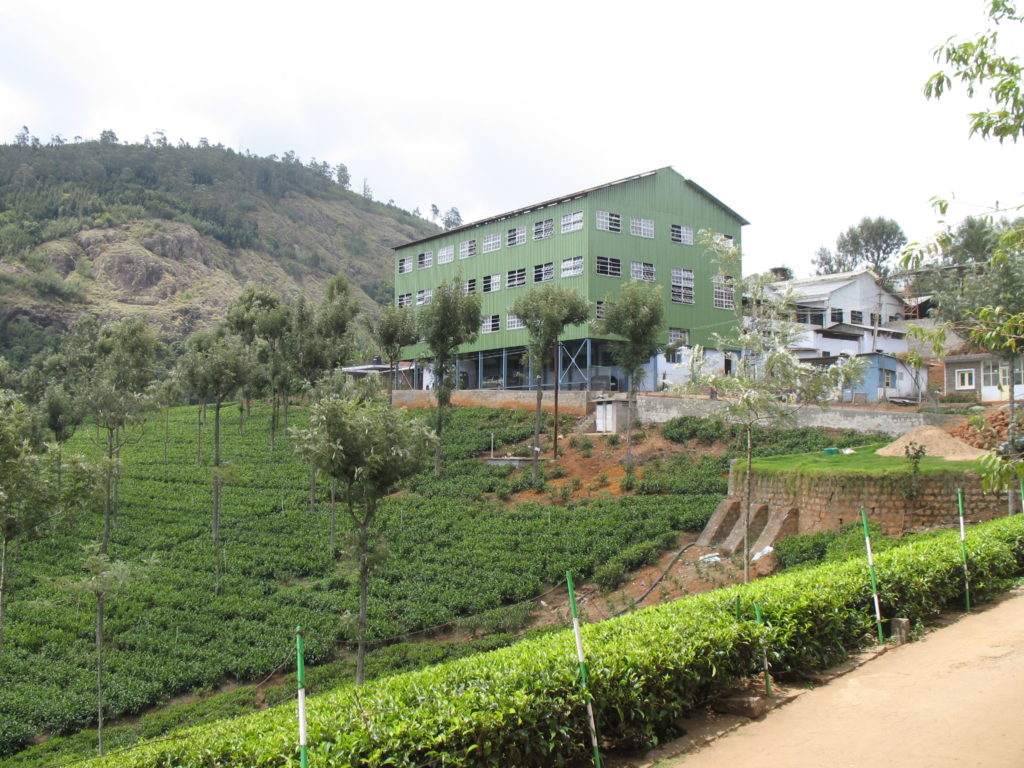
As a seasoned team, we understand that that managing an estate is a challenge. We believe in formulating strategies and solutions that fulfill the potential of entrepreneurs who invest in this industry. Our skills and experience in providing solutions for factory management enables us to differentiate ourselves from our competition. Our experience shows us that one size does not fit all. We understand that the scale and scope of business challenges and goals are different. So we apply our development process, which is simple and flexible to respond to the ever changing business climate, giving our clients control over the final solution.
Warehousing
In 2000, just two years after our inception, when Asia Siyaka opened its state of the art logistics centre, we introduced a new dimension to the service of a traditional intermediary.
Colombo auction’s logistics systems which had changed very little in its 100 year history, was made significantly more effective with the introduction of Asia Siyaka’s innovative systems. For the first time a broker, was able to add considerable value to the pre and post auction logistics process, whilst cutting costs and operating time at both ends of the value chain.
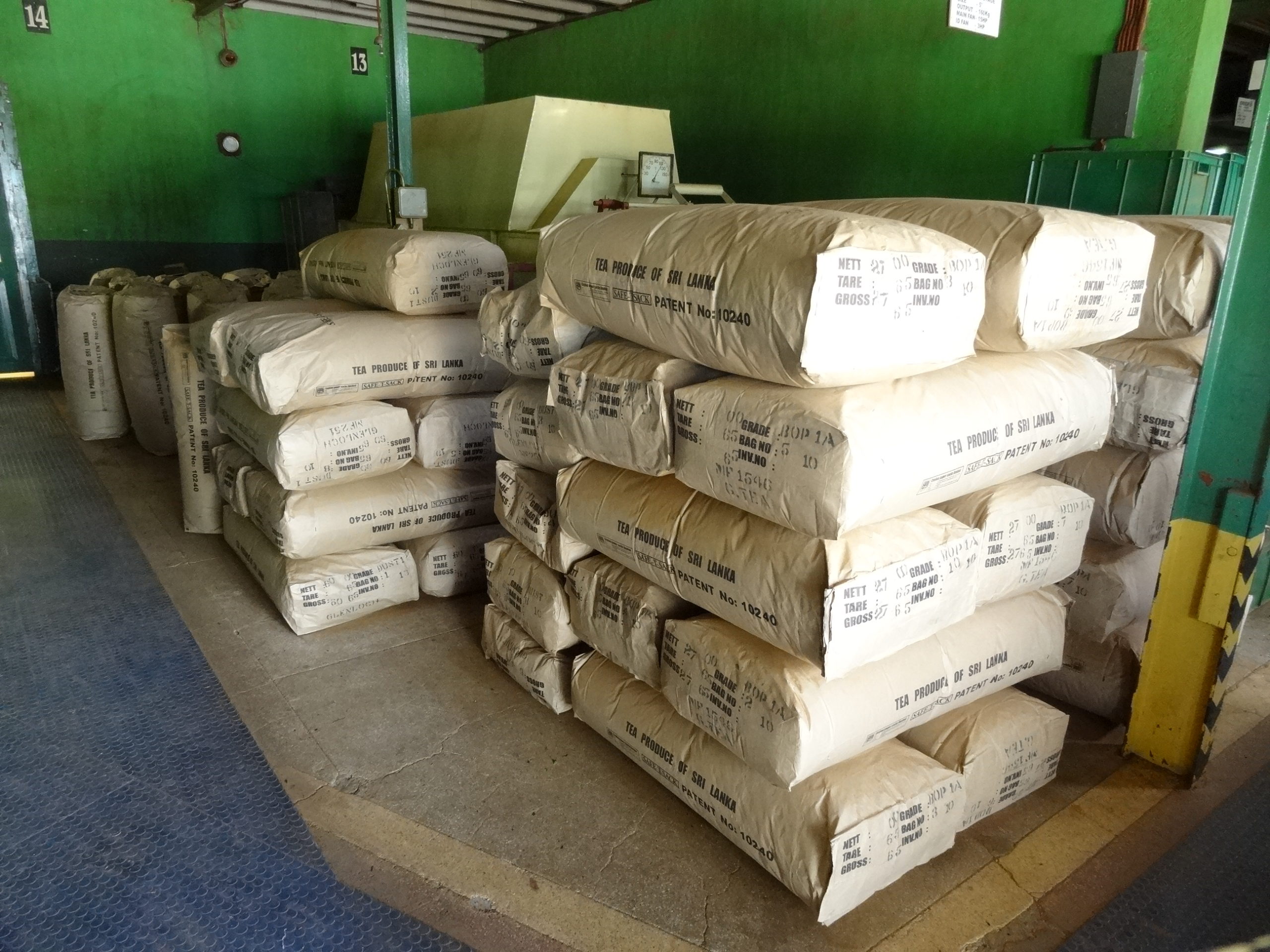
Asia Siyaka’s logistics center which is located at the heart of the tea hub in Colombo is strategically positioned close to the new high way and is home to 150,000 packages or 6 million kilograms of tea at any given time. The first tea broker’s warehouse to be ISO certified in 2001, this centre is now managed under the new ISO 22000 standards.
Our logistics centre has become the industry standard for the tea broking community and is a model used by trading and marketing companies in design and layout planning for their own units.
Rubber and Non- Traditional Commodities
The performance of the Group’s Rubber broking division was subdued, affected by a fall in production due to unfavourable weather conditions as well as relatively weak prices. During the year under review, the division also transitioned to a new operational structure, with new talent being brought in to facilitate future growth.
The group remains optimistic regarding the opportunities presented in this line of business and intend to capitalise on its expertise in the tea broking industry to expand its operations in rubber.The group also acts as a market intermediary for a range of non-traditional crops including desiccated coconut, palm oil and spices. As a recent entrant to this industry, the contributions from this business line are still relatively small. However, earnings contribution from this segment is anticipated to widen in the coming financial year, particularly through desiccated coconut.
Our news
No posts found!